Horde Survival Games
Play Horde Survival Games in-browser, survive escalating waves, craft powerful builds, and master co-op or solo tactics in fast, replayable runs.









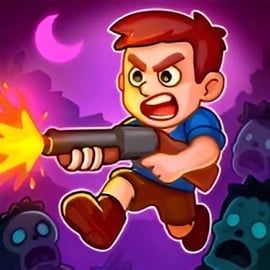


Horde Survival Games
Horde Survival Games drop you into high-pressure matches where the odds are stacked, the waves never feel truly finished, and every decision matters. Whether you prefer quick in-browser sessions or longer, progression-focused runs, this genre is built around smart movement, resource control, and the satisfying rhythm of adapting to stronger enemies over time. If you love skill-based upgrades, tense last-stand moments, and the thrill of turning a weak start into a powerhouse build, Horde Survival Games are made for you.
Wave-Based Survival and Last-Stand Challenges
At the heart of many horde survival titles is the wave system, a clean and addictive structure where each round ramps up intensity. Early waves teach spacing and threat recognition, while later waves test whether your build, positioning, and timing can keep pace. The best wave-based survival games reward consistency, not luck, because small habits like kiting enemies into a predictable line, using corners to reduce angles of attack, and saving burst tools for elite waves can dramatically increase survival time. In browser-friendly versions, matches often run 5 to 20 minutes, making them perfect for quick breaks while still feeling meaningful thanks to score chasing, escalating difficulty, and the constant pressure to optimize your route, pickups, and cooldown usage.
Roguelite Builds, Upgrades, and Synergy Planning
Modern Horde Survival Games frequently borrow roguelite design, giving you randomized upgrade choices that create fresh runs even when the map stays familiar. The real strategy is learning which upgrades scale together, for example, pairing area control with damage-over-time to keep lanes clear, or combining mobility with critical boosts to punish openings. Synergy planning matters because the horde grows faster than your mistakes disappear, so a balanced build often outperforms a purely aggressive one. Think in layers, reliable single-target options for bulky threats, wide coverage for swarms, and a defensive tool that buys time when you get boxed in. Over many runs, the genre becomes a satisfying loop of experimentation, pattern recognition, and refining your personal meta until your choices feel deliberate instead of reactive.
Co-op Horde Modes and Team Survival Tactics
Co-op horde survival is where coordination turns chaos into control. When you and your teammates specialize, one player anchors the frontline with crowd control, another focuses on high-value targets, and a third supports with buffs, healing, or utility, the team can survive far beyond what any solo run allows. Communication does not have to be loud or complex, simple habits like calling out elite spawns, rotating positions to avoid getting surrounded, and sharing resources based on role can make matches smoother and more consistent. Many players love co-op modes because they create natural stories, the clutch revive, the last-second objective save, and the moment the whole squad locks into a rhythm and the horde finally starts to feel manageable.
Base Defense, Traps, and Map Control
Some Horde Survival Games lean into defense and territory control, asking you to hold a zone, protect an objective, or build a temporary safe area with traps and barriers. This style is less about constant movement and more about planning the flow of enemies, shaping choke points, and choosing where to spend limited resources. Strong map control starts with reading paths, identifying where enemies funnel, and placing tools that multiply your damage output without demanding perfect aim. Even in simpler in-browser formats, the same principle applies, you want to reduce the number of angles the horde can reach you from, then stack efficient damage in the lanes that matter most. If you enjoy strategy and setup, defensive survival modes offer a rewarding pace where smart preparation feels as powerful as fast reflexes.
Skill Expression, Movement, and High-Score Mastery
Horde survival gameplay looks simple at first, survive longer than last time, but the ceiling is surprisingly high. Small improvements compound, better pathing keeps pickups within reach, cleaner movement prevents getting cornered, and disciplined targeting keeps the battlefield stable. High-score mastery is about consistency under pressure, understanding spawn pacing, and using the environment to your advantage. In many games, the moment you panic is the moment you lose, so top players focus on calm decision-making, scanning for escape routes, and controlling the horde rather than reacting to it. If you enjoy measurable progress, this genre delivers, because every run teaches something new about timing, spacing, and the value of choosing the right upgrade at the right moment.
Horde Survival Games are easy to start and hard to master, which is exactly why they keep pulling players back. Explore the category, try different substyles, and discover the build that fits your personality, whether you prefer tactical defense, fast-paced kiting, or co-op teamwork. Jump in, play in-browser when you want a quick session, and remember, the most fun runs are often the ones where you learn, adapt, and outlast the wave that used to end you.
FAQs
What are the best beginner tips for Horde Survival Games?Prioritize movement first, then damage. Stay near open space, avoid corners, and pick upgrades that increase survivability early, such as mobility, area control, or reliable crowd clearing, before going all-in on late-game scaling.
Can I play Horde Survival Games on mobile, tablet, and desktop?Many titles in this category are optimized for browser play and run well on modern mobile devices, tablets, and desktop computers. For the smoothest experience, use an updated browser and close heavy background apps.
What age group are Horde Survival Games suitable for?Most games in this genre are suitable for teens and adults who enjoy fast-paced action and strategy. Always check the game page for content notes and difficulty expectations, especially for younger players.
How do I improve performance and reduce lag while playing in-browser?Lower in-game effects if available, close extra tabs, and disable heavy browser extensions. Using a stable Wi-Fi connection and keeping your device cool can also prevent frame drops during intense waves.
How do Horde Survival Games compare to roguelite action games?They often overlap. Horde survival focuses on enduring escalating waves, while roguelite action emphasizes randomized progression and run-to-run variety. Many top games blend both, offering wave survival with upgrade synergies and long-term mastery.